




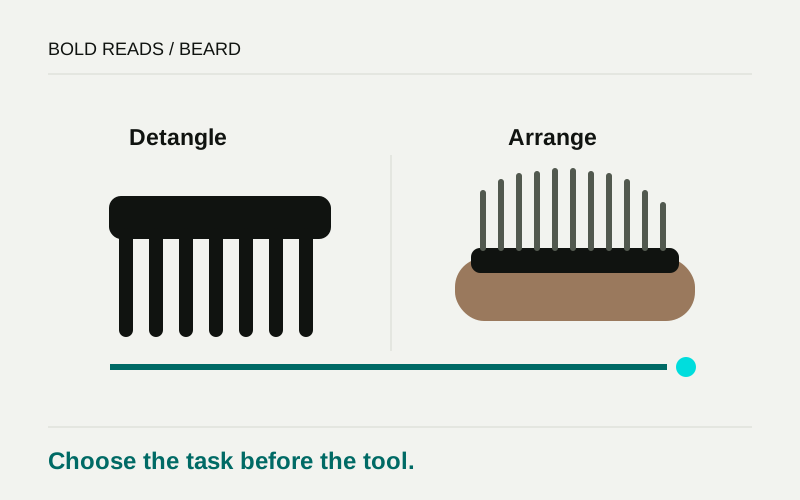
A beard can look tidy on the surface and still catch a comb underneath. That is a useful clue: arranging the outside and detangling through the length are different jobs. Before buying a brush-and-comb set, decide which job you need help with. The right tool should make grooming easier without asking you to scrape the skin or pull harder.
Compare the jobs before the materials
| Your task | A useful starting tool | What to check |
|---|---|---|
| A tangle through the length | A comb with comfortable tooth spacing. | Can it pass gently, or does it catch and pull? |
| Flyaway surface hairs | A brush that feels comfortable against the beard. | Does a light pass arrange the hair without scraping skin? |
| A moustache or small section | A controllable comb. | Can you reach the area without dragging through everything else? |
| Very short stubble | You may not need a detangling tool yet. | Is there a real grooming task, or only a kit you feel expected to buy? |
The American Academy of Dermatology (AAD) describes beard combs as tools for detangling, styling and distributing a suitable conditioning product. It notes that detangling is easier when the beard is wet. Skin care still matters beneath the hair. AAD beard-care guidance
Manufacturer Kent distinguishes its brushes’ grooming role from its combs’ shaping role and offers different sizes and bristle combinations. That is a useful shopping distinction, not proof that one material works best for every beard. Kent beard-tool information
Inspect what actually touches your hair
For a comb: look at tooth spacing, smooth edges, size and how comfortably you can hold it. A wider space can be a useful starting point when closely packed teeth keep catching. Do not choose finer teeth just because they seem more precise; precision is useful only if you can work without pulling.
For a brush: compare its size and bristle feel, not simply the phrase “natural bristle.” A firmer brush is not automatically better. A brush that makes a short beard’s skin uncomfortable has not earned a place in that routine.
For either: consider access. Can you control the tool around your moustache and under the chin? Does it fit the place you actually store or carry it? A large handle can be useful, but a tool that is awkward in your hand may turn a small job into repeated passes.
BOLD’s current brushes and combs collection lets you compare options. Read the exact item’s dimensions, materials and care instructions. A category or a beard-care label is not a promise of individual suitability.
Try a gentler grooming sequence
- Begin with the beard and skin routine. Cleanse gently, then use a suitable conditioning or moisturizing step. Our beginner beard guide explains those separate needs.
- Free a tangle before asking for a full pass. Work from the tangled ends in small sections. Stop when the tool catches; use your fingers to separate the snag instead of yanking.
- Arrange the hair. Once the comb passes comfortably, shape the beard in the direction you want it to sit. If a brush helps tidy the surface, use light passes.
- Stop when the task is done. More strokes are not a growth treatment. You do not need a brushing quota to demonstrate that you care for your beard.
Use a product for a separate reason, such as conditioning or shape, not to make an uncomfortable tool tolerable. Our oil-versus-balm guide compares those roles. Product distribution is one use for a comb; it does not mean every beard needs oil.
Clean the tool without damaging its materials
Remove trapped hairs and inspect for residue. Follow the maker’s cleaning and drying directions before introducing water or a cleaner. Wood, glued parts, cushions and bristles may need different treatment from a washable plastic comb.
For example, Kent’s instructions for certain wood-and-bristle brushes keep water away from the wood and prohibit submerging the brush. Its comb instructions use a different method. A universal “soak everything” routine would ignore that distinction. Kent material-specific aftercare
Store the tool as directed and check for damaged teeth or bristles before reuse. Cleaning is maintenance, not a reason to keep using a tool that catches or scratches.
When a different tool will not solve it
If the main problem is persistent itching, recurring flakes, a rash or painful skin, do not answer it by buying a firmer brush. Grooming tools do not diagnose or treat a skin condition. Reduce irritating handling and seek advice for persistent or concerning symptoms; our beard-flake guide helps you describe the pattern.
Neither combing nor brushing creates new beard density. A well-arranged beard can look different, but that is a styling effect. Keep growth claims separate from the job you can actually evaluate in the mirror.
Let the job decide what stays
A grooming kit is not an achievement in itself. If one comfortable comb solves your daily task, you can stop there. If a brush makes the surface easier to arrange, it has a reason to stay. Build the routine around what your beard asks you to do, and let the tools earn their space one useful job at a time.