



Hair shedding, breakage, and thinning describe different things. Shedding is hair leaving the scalp. Breakage is a strand snapping. Thinning describes a change in how much hair you can see or feel. They can overlap, so a fuller brush or a wider-looking part does not identify the cause on its own.
Understand shedding, breakage, and thinning
| Term | What it describes | Useful next step |
|---|---|---|
| Shedding | Hairs leaving the scalp during the hair cycle. A noticeable increase can have several causes. | Note when the change started and any recent illness, stress, or other changes. |
| Breakage | Strands breaking along their length. Repeated heat, rough handling, and tension can damage hair. | Review how you detangle, dry, style, and tie your hair. |
| Thinning | A change in coverage or density. Shedding, breakage, and other forms of hair loss can contribute. | Look at the overall pattern and arrange an assessment if the change is unexplained. |
DermNet explains that excessive shedding can reduce density and that hair loss has many possible causes. The categories above are a way to organize observations, not a home diagnostic test. Hair-shedding reference · Hair-loss overview
A strand with a pale end does not tell you why it came out. Short hairs may be broken strands or new growth; several conditions can also involve broken hairs. Avoid deciding on a treatment from a single strand or an online photograph.
Make a useful record without counting every hair
The American Academy of Dermatology (AAD) notes that increased shedding can follow events such as illness, childbirth, surgery, or significant stress, sometimes after a delay. A dermatologist can distinguish shedding from other hair loss, and both may occur together. AAD: shedding versus hair loss
Before an appointment, write down a few observations you can explain clearly:
- Timing: when you first noticed the change and whether it is continuing.
- Location: all over, mainly along the part or hairline, or in a distinct patch.
- Care changes: a new tight style, frequent hot tools, chemical service, or different detangling habit.
- Scalp symptoms: discomfort, itching, redness, flaking, or sores.
- Relevant context: recent health events and current medicines or supplements to discuss with the clinician.
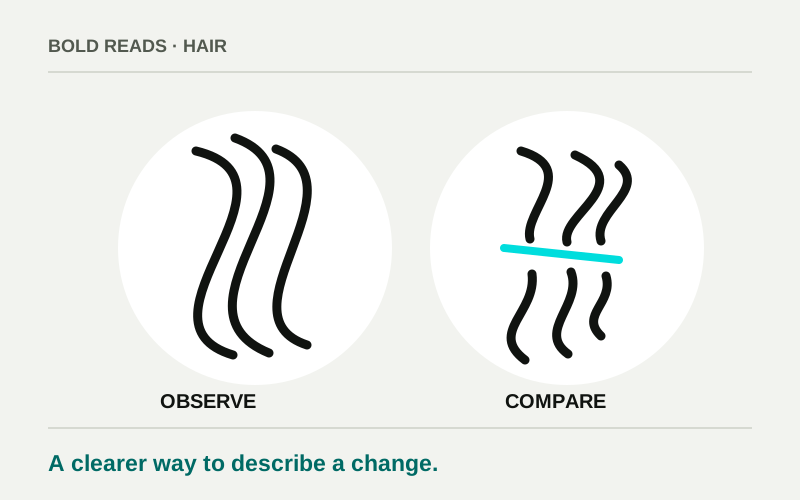
If you take comparison photos, keep the part, lighting, angle, and hair condition consistent. Wet hair, a different part, or a bright overhead light can change the view. Photos can help describe a concern; they cannot establish its cause.
Reduce avoidable stress on the hair
While you work out the cause, simplify the handling. Avoid rough towel rubbing, reduce heat and pulling from tight styles, and detangle carefully. The AAD describes damaged hair as fragile and prone to breaking. Preventing hair damage
For hair that is thinning, the AAD recommends gentle shampooing and conditioner rather than aggressive washing or styling. Care for thinning hair Our shampoo and conditioner guide helps separate scalp cleansing from care for the lengths.
Choose one handling change you can repeat, such as removing a tight everyday style or making detangling less hurried. Avoid changing your whole shelf at once: that makes it harder to explain what happened next.
Separate appearance goals from treatment decisions
If your immediate goal is less visible scalp between existing hairs, a cosmetic concealer may be useful while you seek advice. BOLD Premium Hair Fibers provide cosmetic coverage where there is hair for fibers to cling to. They do not regrow hair or determine why density changed.
For placement and shade checks, read how to apply hair fibers. If you are comparing coverage with treatment options, start with hair fibers, minoxidil, and laser caps: different jobs rather than assuming one product solves every type of thinning.
When to ask for professional advice
Arrange an assessment for sudden, patchy, persistent, or unexplained changes, particularly when the scalp also feels painful or looks inflamed. Do not stop a prescribed medicine because you suspect a connection; discuss it with the prescriber. The AAD emphasizes identifying the cause before choosing treatment. Assessment and medicine guidance
You do not need to arrive with the correct diagnosis. A clear timeline, your care routine, and the questions you want answered are more useful than a bag of counted hairs.
Sources and further reading
- AAD — hair shedding and hair loss.
- DermNet — hair shedding and hair loss.
- AAD — preventing hair damage.
- AAD — caring for thinning hair.
General information, not a diagnosis. The observations in this guide cannot distinguish every cause of hair loss.