



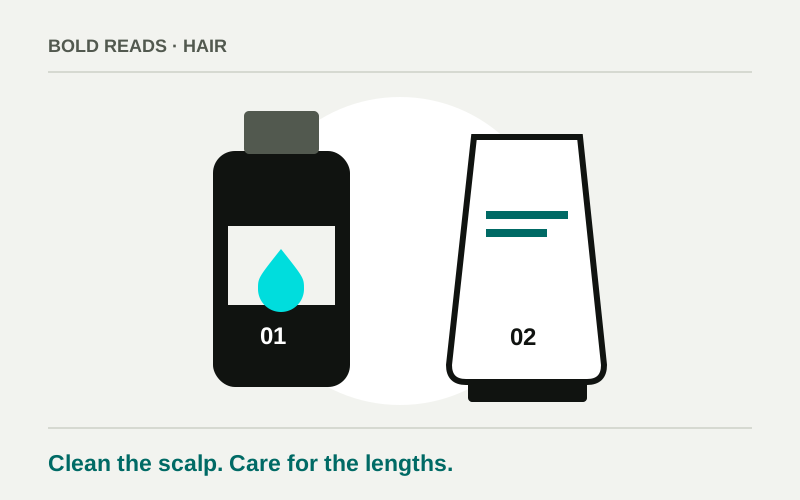
Choose shampoo for what your scalp needs cleaned, then choose conditioner for the condition of your hair. Those needs can be different: an oily scalp can sit above dry ends. You do not have to buy a matching pair or use the same amount from root to tip.
Give shampoo and conditioner separate jobs
The American Academy of Dermatology (AAD) recommends washing according to how oily or dirty the hair becomes, focusing shampoo on the scalp, and using conditioner. For fine or straight hair, conditioner can concentrate on the ends; dry or curly hair may need it through more of the length. AAD healthy-hair guidance
| Your observation | What to prioritize | What to reconsider |
|---|---|---|
| Oily roots, dry ends | Scalp cleansing plus conditioner placed where the lengths need it. | Using a heavy product everywhere simply because the ends feel dry. |
| Fine hair that feels coated | Careful product placement and the amount specified on the label. | Layering several leave-in products before checking the wash routine. |
| Dry or curly lengths | Conditioning coverage and a gentle detangling method. | Choosing only for root volume while ignoring difficult-to-manage ends. |
| A scalp that stings or stays itchy | Identifying the irritating step and getting advice if symptoms persist. | Repeatedly buying a stronger cleanser without understanding the problem. |
This table helps define a task; it does not identify an ingredient you must buy. Hair texture, chemical services, styling, and skin tolerance all affect what feels workable.
Read the directions before the front-of-bottle promise
“Hydrating,” “volumizing,” and “repair” are starting points for comparison, not a complete routine. Before adding an item to your cart, check:
- Product type: shampoo, rinse-out conditioner, leave-in conditioner, or a treatment with its own directions.
- Placement and rinsing: where it belongs and whether it needs to be washed out.
- Relevant restrictions: label advice for your color or chemical service, and any warnings.
- Ingredients: anything you already know causes a reaction for you; do not rely on the scent name alone.
- Practical fit: whether you can follow the routine regularly with the time and budget you have.
Keep “my hair feels smoother” separate from “this treats hair loss.” A cosmetic wash product should not replace assessment of unexplained thinning. Our guide to shedding, breakage, and thinning explains the distinction.
Make the wash itself gentler
- Clean the scalp without scrubbing the lengths. Let the rinse carry shampoo through the hair.
- Apply conditioner intentionally. Follow the label and give the areas you selected enough coverage.
- Rinse and dry gently. Avoid vigorous towel rubbing.
- Detangle for your texture. A wide-tooth comb and unhurried handling can help; the best timing differs for straight versus curly or textured hair.
The AAD’s damage-prevention advice supports gentle scalp washing, conditioning, and avoiding rough drying. It recommends letting straight hair partly dry before combing, while curly or textured hair can be detangled damp. Washing and handling reference
Adjust one thing at a time
Make a short note after a few washes: scalp comfort, how clean the roots feel, ease of detangling, and whether the finish suits you. This is a routine check, not a product trial that can prove a medical benefit.
If the roots feel weighed down, first review conditioner placement and other styling layers. If the ends are still difficult to manage, check coverage and handling before abandoning the shampoo. Stop a product that causes irritation rather than extending the trial to “get used to it.” Persistent scalp symptoms deserve professional advice. When care changes are not enough
There is no single washing schedule for everyone. Use scalp cleanliness and comfort to guide the routine, then adjust for your texture and activities. For lift without piling on styling products, see our fine-hair volume guide.
Common shampoo and conditioner questions
Can oily hair still need conditioner?
Yes. Oily roots do not tell you how the ends behave. Focus conditioner on the areas that need it, using your hair type and the product directions to guide placement.
Does a stronger wash solve all flakes?
No. Flaking and itching can have different causes. If the problem persists, get the scalp assessed rather than assuming that more aggressive cleansing is the answer.
Sources and further reading
General hair-care guidance. Product labels and individual needs take priority over a universal wash schedule.