




For sensitive skin, a better shave starts with less friction and a realistic finish. Soften the hair, use a suitable shaving product, and shave in the direction it grows with light, limited passes. A very close shave is not worth repeating over skin that already feels irritated.
Distinguish immediate irritation from recurring bumps
Burning or soreness after a shave does not tell you that you need a stronger product. Friction, technique, and product tolerance all deserve a look. Razor bumps can involve hairs curving back into the skin after shaving; people with coarse or curly hair can be particularly affected. AAD razor-bump guidance
This guide helps organize an ordinary shaving routine. It cannot identify whether a persistent rash or bump is an ingrown hair, a product reaction, or another skin problem.
Map the grain before you pick up the razor
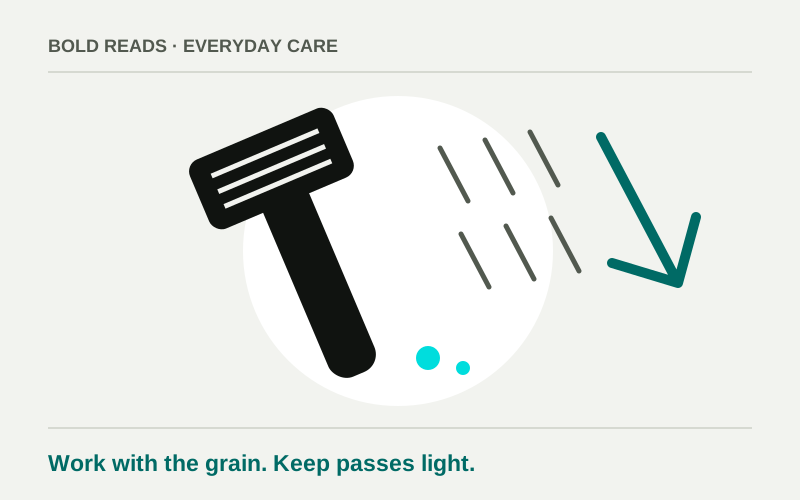
“With the grain” means moving in the direction the hair grows. That direction may change across the same area. Before your next shave, inspect the hair in good light and make a simple mental map: cheek, jaw, neck—or the separate areas of the body you shave.
If the neck hair points sideways, a straight downward pass is not necessarily with the grain there. A barber can help demonstrate your facial growth pattern. Take time to learn it rather than using the same motion everywhere.
The AAD advises shaving with growth, avoiding skin stretching, and reducing repeated strokes over the same area when dealing with razor bumps. Technique reference
Use a gentler sequence
- Wet and soften the hair. Shaving after a shower can make preparation easier.
- Apply a suitable shaving cream or gel. Read the label and directions; choose for skin tolerance as well as glide.
- Use light passes with the grain. Work in controllable sections. Avoid pressing harder to compensate for a blade that pulls.
- Rinse the razor between passes. Do not drag a clogged blade across the next section.
- Stop before repeated touch-ups become the routine. Check your finish in normal light and leave an irritated spot alone.
The AAD recommends wetting skin and hair, using shaving cream or gel, following hair growth, and rinsing the razor after each swipe. Its general guidance suggests replacing disposable blades after about five to seven shaves and storing the razor dry. Follow your razor’s instructions too. AAD shaving tips
On days when the skin is uncomfortable, reconsider how close you need the result to be. You can discuss a less close trimming approach with a barber or clinician instead of repeatedly shaving the same sore area.
Choose a shaving product by tolerance, not the strongest sensation
A cooling smell or tingling finish is not your measure of success. Your aim is a manageable shave with comfortable skin. Compare ingredients and directions, especially if you already know a fragrance or botanical ingredient causes trouble for you.
The BOLD store’s shaving-care collection provides options to compare. The collection name does not limit who can use this guidance; skin and hair needs matter more than a gender label. No product in a collection is automatically suitable for every person with sensitive skin.
Before changing both the shave product and your after-care, read how to test and introduce a new skin-care product. One change at a time gives you a clearer record if discomfort develops.
Troubleshoot the step that is causing difficulty
| What you notice | What to review |
|---|---|
| The razor pulls | Hair preparation, blade condition, rinsing, and the tool’s maintenance instructions. |
| The same area needs many passes | Growth direction, pressure, and whether your desired closeness is realistic for your skin. |
| A product causes stinging or a rash | Stop the irritating product and seek advice if symptoms persist; do not cover the reaction with more products. |
| Bumps keep returning | Have the pattern assessed rather than picking, digging, or assuming all bumps have the same cause. |
The AAD advises against plucking ingrown hairs or stretching skin while shaving. Persistent or troublesome razor bumps warrant a dermatologist’s advice. Razor-bump care reference
If you keep a beard between shaves, our simple beard-care routine helps you care for the skin beneath it. Oil and balm are grooming choices, not treatments for a shaving rash.
Sources and further reading
General grooming guidance for facial or body shaving. A clinician can assess persistent irritation, painful bumps, or an unexplained rash.