



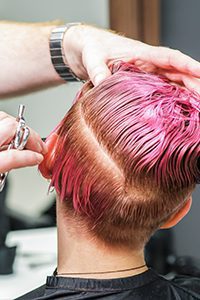

A reference photo can show a haircut. It cannot show the ten minutes of styling, the products or the appointment schedule behind it. If your hair is thinning, the most useful request may be a clearer account of your own morning.
Bring a brief, not just a picture
There is no single best haircut for everyone with thinning hair. Texture, existing length, the areas you want to emphasize and your preferred finish all affect the conversation. A short note can communicate more than a long list of haircut names.
| Tell the barber | Make it concrete |
|---|---|
| My main priority | The front, crown, overall shape or another area you want to discuss |
| My usual routine | Air-drying or blow-drying, products used and time available |
| My preferred finish | For example, natural movement, a tidy outline or a matte texture |
| My limits | Tools, daily steps, length changes or frequent appointments you do not want |
| My upkeep budget | A realistic return interval and what you can maintain between visits |
If you bring photographs, explain the part you like: the outline, texture or direction of the hair. Ask which elements are realistic with your hair, rather than asking for the entire image to be reproduced. Follow the shop’s arrival instructions, and mention any fibers or other styling products already on your hair.
Ask these questions before cutting starts
- What would you change, and why? Ask how the proposed length and shape serve the area you care about. You should understand the reasoning before agreeing.
- What will this require at home? Ask about drying, tools and product steps. If the answer exceeds your available time, adjust the plan now.
- How will it look without the finishing product? This separates the cut’s shape from the extra finish created in the chair.
- What happens as it grows? Ask which part will need attention first and what return interval the barber suggests.
- Can you show me the sequence? A demonstration you can repeat is more useful than a handful of unfamiliar product names.
You can decline a suggested change or ask for a smaller one. Clear expectations give both of you a more useful target than a promise to make thinning disappear.
Keep the home routine manageable
Ask to see the finished shape from the front, sides and back. Then describe the steps back in your own words: where the hair goes, which tool is used and what the product is meant to do. Ask about the part you cannot explain.
Be realistic about handling, too. Repeated forceful brushing, tight pulling and excessive heat can damage hair. The AAD’s styling guidance favors gentler methods; suitable detangling timing also depends on hair texture. Ask for a routine that works with your hair rather than a finish that requires continual reworking.
For help separating lift from heaviness, read our fine-hair volume guide. Bring any practical difficulty from that routine into the consultation.
Discuss coverage separately from shape
If you use or are considering hair fibers, say so before the cut. Ask the barber to assess the haircut without coverage first and explain how your chosen styling routine might fit afterward. This is a discussion about your preferences, not evidence that every cut or hair-loss pattern suits fibers.
BOLD Premium Hair Fibers provide temporary cosmetic coverage around existing hair. They do not create a haircut, replace missing hair or regrow it. If your goal is root lift and a matte textured finish, BOLD Volumizing Hair Styling Powder has that different styling role. You do not need both products simply because both exist.
Ask what each optional product adds to the result you want. Leave with the smallest routine that makes sense for you, including how to remove the products.
Keep the hair-loss question in the right conversation
A barber can discuss styling. New, rapid, patchy or otherwise concerning hair loss warrants assessment by a qualified clinician. Finding the cause can require a history and scalp examination; a haircut cannot supply that assessment. AAD explains the diagnostic process.
If you are unsure what changed, our shedding versus breakage guide can help you describe what you have noticed without labeling the cause yourself.
Leave with a plan you understand
The chair is only the beginning of a haircut’s working life. Most of it happens at home, with your tools, your schedule and your willingness to style it. A good consultation makes those constraints part of the design. Leave knowing what the cut does, what you need to do and when to return. That is a more useful result than a reference photo you cannot recreate.